
Bed bugs, those pesky little creatures, have become quite the travelers in recent times. They hitch rides in luggage, clothing, and various items, making hotels, motels, and apartments their prime targets. With immigration and international travel on the rise, these blood-sucking critters have made a triumphant comeback.
Back to the index ↑A closer look at bed bugs
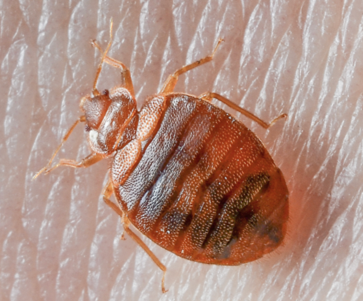
Now, let’s delve into the fascinating world of bed bugs. These small, brownish insects have a particular fondness for feasting on the blood of animals, especially humans. Adult bed bugs are about 3/16-inch long, sporting a reddish-brown hue and displaying impressive agility as they scurry around.
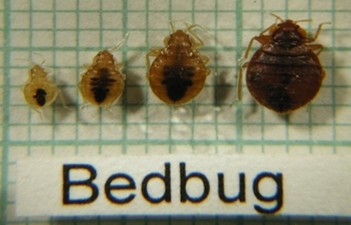
The female bed bugs lay their eggs in hidden corners, and the nymphs that hatch out look like mini versions of the adults. These little vampires can survive without a meal for months, but the nymphs need a blood feast between molts to keep growing.
Bites and itchy concerns
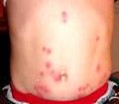
Bed bugs are notorious for their nighttime snacking habits. They feast on unsuspecting sleepers, leaving behind itchy red welts or localized swelling. While their bites can be quite bothersome, the medical impact of bed bugs is mainly limited to itching and inflammation. So, don’t fret too much!
Detecting the Intruders
Here’s the tricky part: bed bugs are masters of hide-and-seek, with an affinity for cramped hiding spots. To tackle these elusive creatures, thorough inspections and treatments are necessary.
Professional pest control services often come to the rescue, and early identification is the key to preventing infestations from spreading like wildfire. It’s essential for housekeeping staff to have a basic understanding of how to spot these unwanted guests.
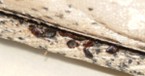
How to spot an infestation

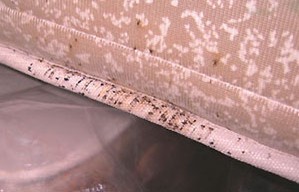
Keep an eye out for dark fecal spots, blood stains, or even the bugs themselves on bed sheets, mattress seams, and other hiding places. Initially, bed bugs tend to stay close to where they feed, but if left unchecked, they can venture out and invade neighboring rooms.
Acting on a suspicion
If you suspect the presence of bed bugs, it’s time to take action. Remove the infested room from service and resist the temptation to move any items until pest management professionals have inspected it thoroughly. It’s also worth considering taking adjacent rooms out of service as a precautionary measure. Remember, cleanliness is key! Launder clothes or use a clothes dryer to treat infested items.
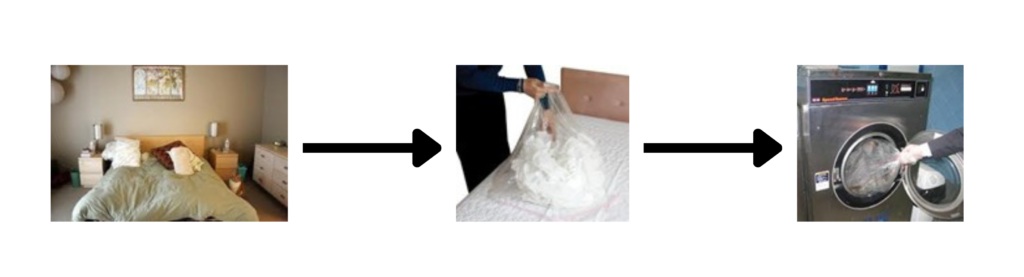
Back to the index ↑Be sure to bag all items to be laundered prior to removing from the room. Everything including bedding, pillows, clothes, shoes, toys and luggage. All bagged items should be taken directly to laundry and placed in a washer or dryer.
Treating the infestation
When it comes to battling bed bugs, insecticides are our trusty allies. Professional exterminators employ low-odor sprays, dusts, and aerosols to eliminate these unwelcome guests. The process includes comprehensive inspections and treatments, even dismantling beds if necessary. Mattresses and box springs can be treated or, if things are dire, discarded altogether.
Back to the index ↑Preventing new infestations
To avoid a bed bug nightmare, taking preventative measures is paramount. Implement ongoing inspection procedures, including robust housekeeping protocols and regular professional inspections. Consider using bed bug monitoring devices and mattress encasements, as they can be helpful in detection and prevention. And don’t forget about employee areas—inspect them too and educate the staff on identifying bed bugs. It takes a village to keep those bugs at bay!
Back to the index ↑Reviewing housekeeping guidelines
To stay ahead of the game, it’s vital to establish clear policies and response protocols for handling bed bug complaints. Regular inspections should be conducted, and any findings must be thoroughly documented. When bed bugs are spotted, immediate action is essential. Contact pest management professionals.
Back to the index ↑Truly Nolen International

The article presents Truly Nolen International as a company with more than 80 years of experience at that time and an international presence. It highlights the training of its professionals in detecting, inspecting and treating bed bugs.
At Truly Nolen International we emphasize the importance of early detection and offer ongoing monitoring solutions to prevent future infestations. Our commitment to customer satisfaction is evident through our prompt response, meticulous documentation, and tailored housekeeping guidelines.
So if you’re looking for a pest control company to help you with your bed bug infestation, don’t hesitate to contact the Truly Nolen International office closest to you by clicking on the following button.