
Pest guide
Ants
Six common ants, their subfamilies, physical characteristics and colony habits.
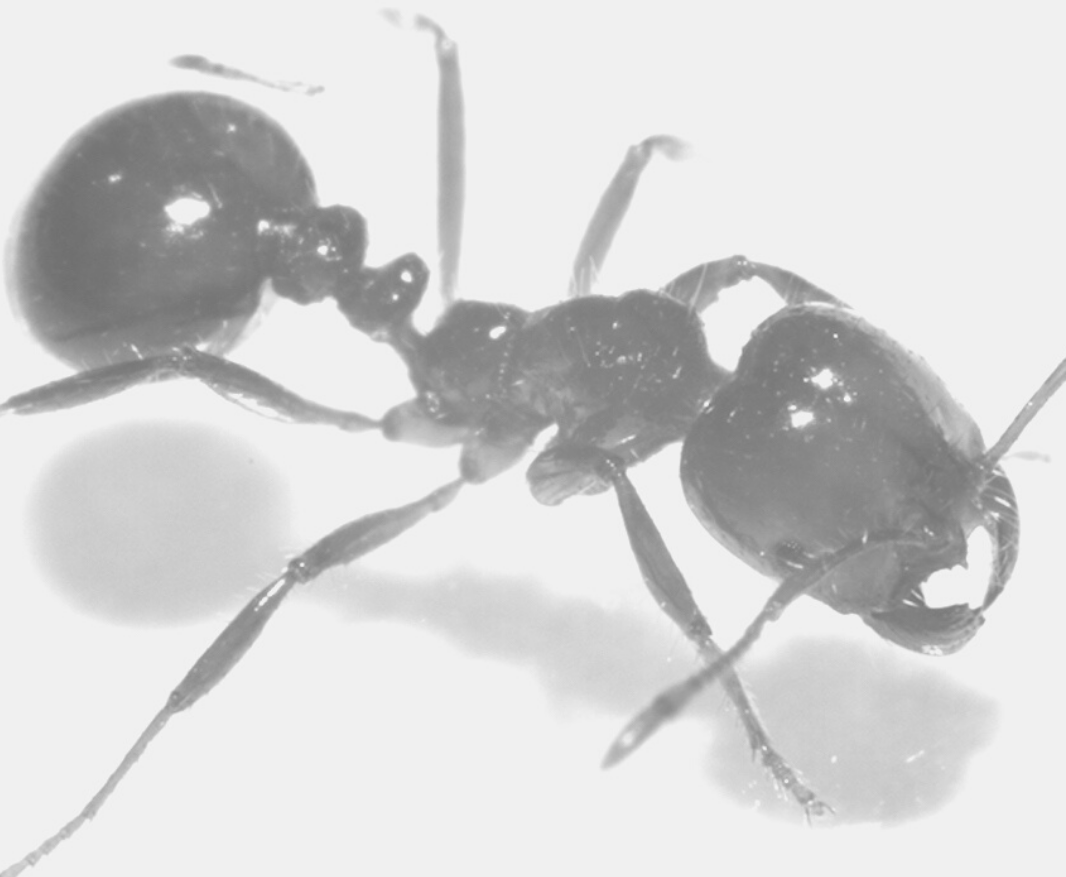
Interesting facts about ants
They can also carry diseases through their bodies that can be spread to food plants, restaurants, and hospitals. Some ant species sting or bite; their defenses include venom and formic acid. Read more about common ants below.
Types of ants
There are over 13,000 identified species of ants. Here are some of the most common ones.
Formicinae subfamily
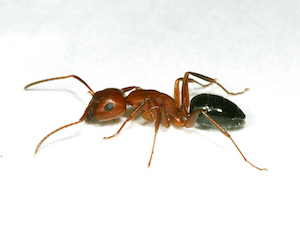
Carpenter ant
These polymorphic workers measure 7 to 13 mm, live in cavities above ground, feed on a variety of plant and animal materials and are considered a nuisance.
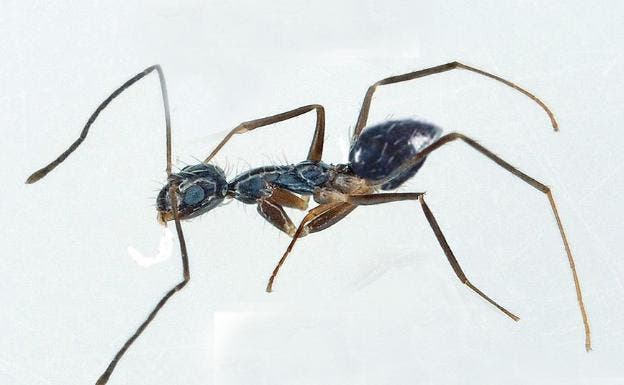
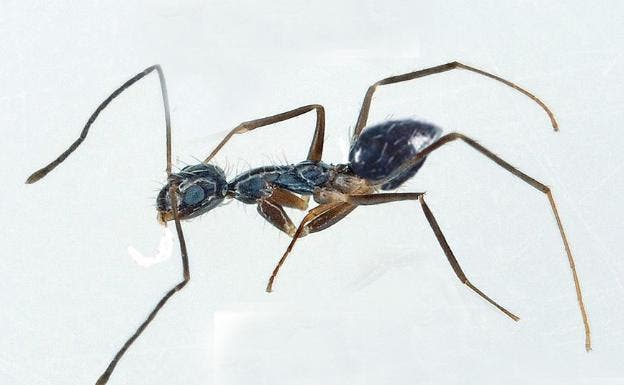
Crazy ant
These monomorphic workers measure 2 – 4mm, have long antennae and legs and have a fast, jerky and erratic running behaviour. They have a seasonal preference for a high-protein diet.
Dolichoderinae subfamily
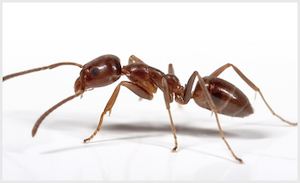
Argentine ant
These monomorphic workers measure about 3.5mm, build huge colonies and are very difficult to control with baits. They have more than one queen.
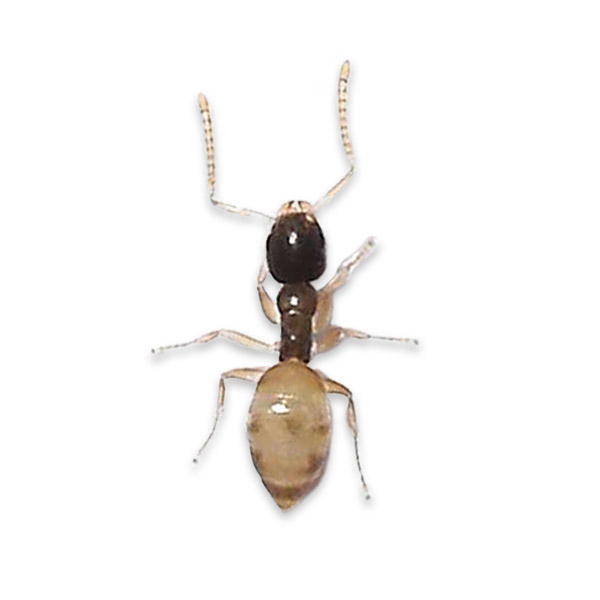
Ghost ant
These monomorphic workers measure just 2mm, have a dark head and thorax but white legs. They’re easily transported through plant vases and are able to make multiple nests.
Myrmicinae subfamily
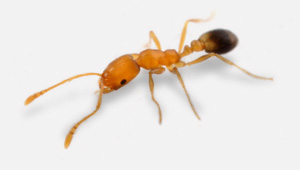
Pharaoh ant
These monomorphic workers measure about 2mm, are a yellowish brown, have 12 segmented antennae and don’t sting.
The final three antennal segments form a club.
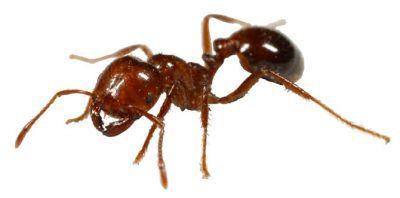
Red imported fire ant
These polymorphic workers measure 7 – 13mm, live in hollow areas above the ground, feed on a variety of plant and animal materials and are considered a nuisance.
The final two antennal segments form a club.
Talk to your local office.
Find the team serving your area or ask Truly Nolen International.