
Pest guide
Rodents
Recognizing house mice, roof rats and Norway rats, and understanding their habits.
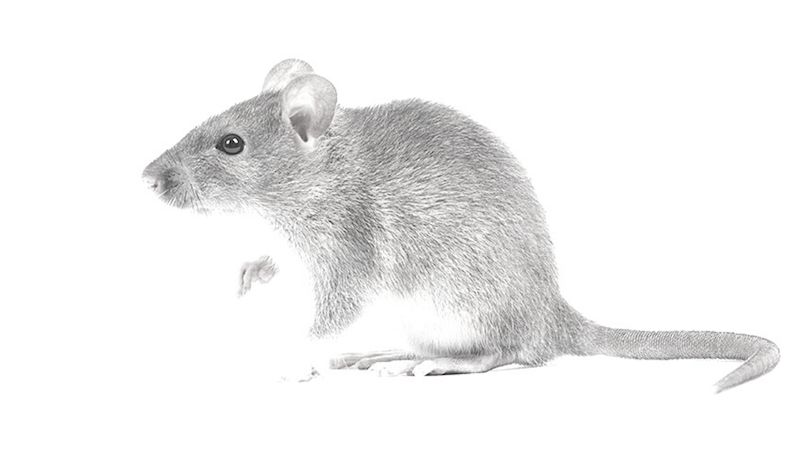
Interesting facts about rodents
Rodents play an ecologically important role in degrading organic matter, but they are also responsible for the contamination and destruction of food and fabrics, damaging structures, causing fires by gnawing wires, carrying and spreading pathogens via their bodies, parasites (fleas), and excrements.
Rodents can spread hantaviruses through airborne particles from infected animals. Other diseases associated with rodents include plague, transmitted through infected fleas; rat-bite fever, transmitted through bites; and leptospirosis, which can be transmitted through urine. Rodents can also contribute to food contamination associated with Campylobacteriosis and Salmonellosis. CDC information on histoplasmosis
In its 2015 global estimates, the World Health Organization reported 33 million healthy life years lost and 420,000 deaths each year from foodborne diseases. These figures describe foodborne disease overall, not deaths attributed specifically to rodents. WHO estimates (2015) Read the WHO report
Types of rodents
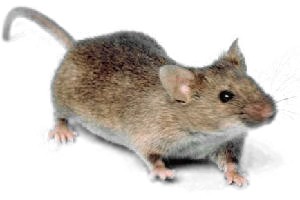
There are a large variety of rodents. In fact, about 40% of all mammal species are rodents. Some of the ones Truly Nolen International is in regular contact with are:
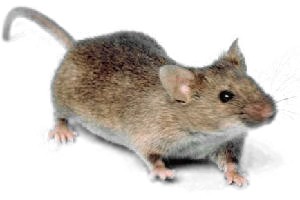
House mouse
House mouse.
- Length
- 6-11cm (2-4 inches approximately).
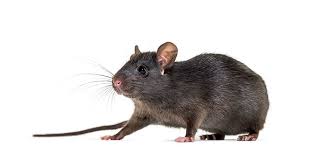
The black or roof rat
Roof rat.
- Length
- 13 inches from head to tip of tail. Color: Black-gray or brown, with a white-gray or black underside. Life cycle: usually around one year. More information: They are excellent climbers. They eat almost anything and often return to the place where they last ate.
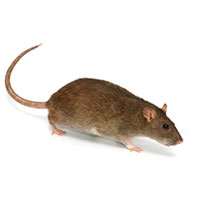
The Norway rat
Norway rat.
- Length
- They can reach lengths of up to 40 cm. Color: brown or gray. Reproduction: they give birth to 3 to 6 litters each year. A litter averages six rats. Life cycle: an average of about 2 years. More information: rodents can carry diseases that are transmitted directly or indirectly to people. CDC: rodent control
Publication references
Talk to your local office.
Find the team serving your area or ask Truly Nolen International.